


Compare
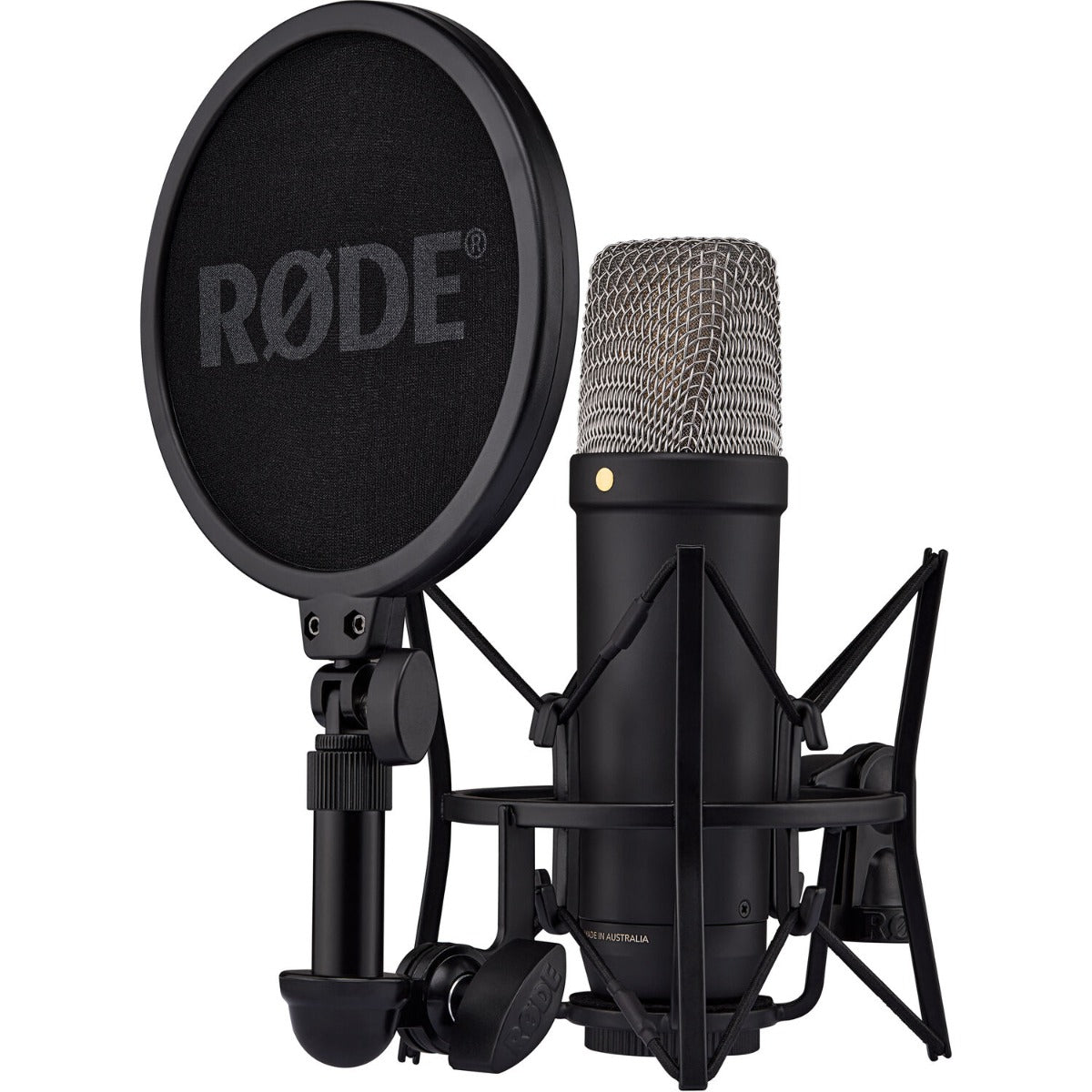 Rode NT1 GEN5€249,00 | 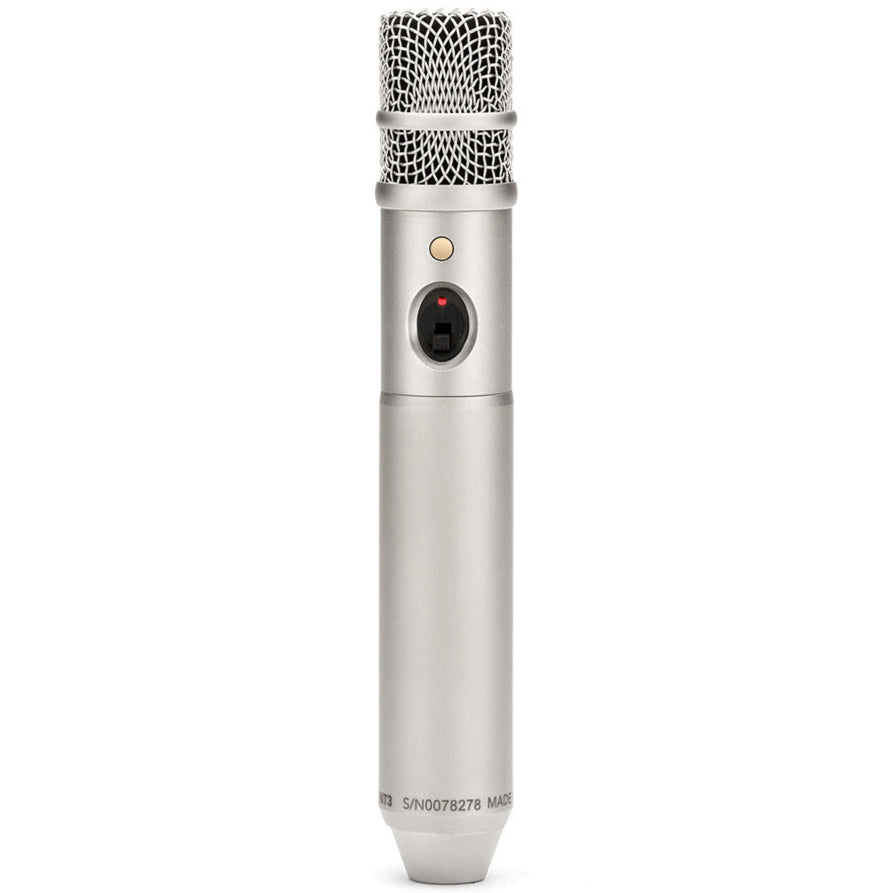 Rode NT3€239,00 | 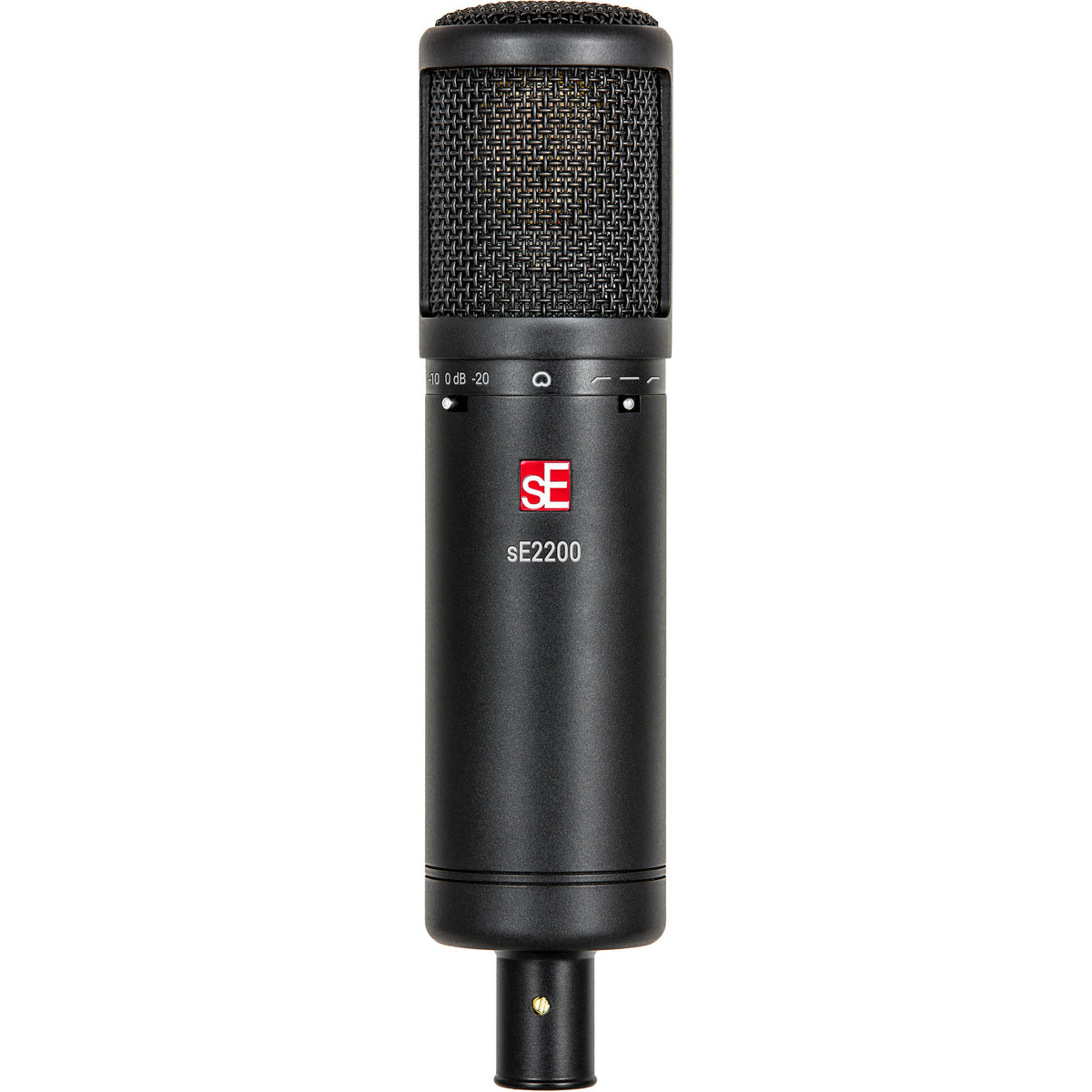 sE Electronics sE2200€259,00 | 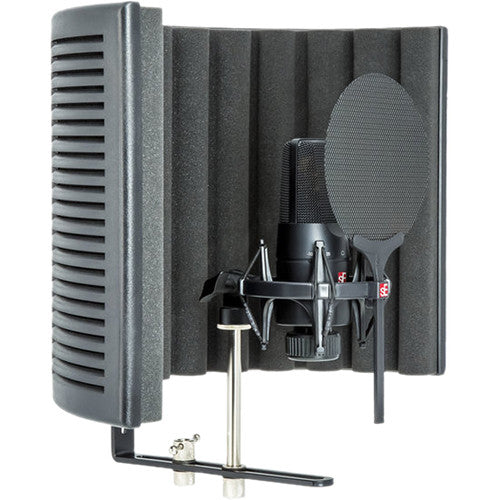 | |
|---|---|---|---|---|
| General | ||||
Product type |
Condenser Microphone
|
Condenser Microphone
|
Condenser Microphone
|
Condenser Microphone
|
Price |
€249,00 |
€239,00 |
€259,00 |
€269,00 |
Barcode |
698813009770
|
698813000036
|
819032011256
|
819032011195
|
Brand |
Rode
|
Rode
|
SE Electronics
|
SE Electronics
|
Rating |
|
|
|
|
Warranty |
3-Year
|
3-Year
|
3-Year
|
3-Year
|
Demo in Vilnius store |
|
—
|
—
|
—
|
PDF Manual |
—
|
—
|
—
| |
| Specifications | ||||
Color |
BlackSilver |
—
|
Black |
Black |
Connectivity technology |
XLR and USB-C
|
XLR
|
Wired
|
Wired
|
Connection type |
XLR and USB-C
|
XLR
|
XLR
|
XLR
|
Power source |
48V phantom power and USB
|
48V phantom power and Battery Powered
|
48V phantom power
|
48V phantom power
|
Features |
USB Powering
|
—
|
Low-Cut filter and Pad
|
Low-Cut filter and Pad
|
Dimensions |
|
|
—
|
|
Weight |
|
|
—
|
|
Microphone thread Thread size on the stand or mount: 3/8 inch (European standard) or 5/8 inch (US, used by most mic clips). Adapters between the two are inexpensive.
|
5/8"-27
|
5/8"-27
|
5/8"-27
|
5/8"-27
|
Polar pattern Directions from which the microphone picks up sound. Cardioid rejects sound from behind (vocals, streaming); omnidirectional picks up evenly all around; figure-8 from front and back; supercardioid is tighter than cardioid.
|
Cardioid
|
Hypercardioid
|
Cardioid
|
Cardioid
|
Microphone design Capsule technology. Condenser: detailed and sensitive, needs phantom power; dynamic: robust, handles loud sources, rejects room noise; ribbon: smooth vintage tone; USB: plugs straight into a computer.
|
Condenser
|
Condenser
|
Condenser
|
Condenser
|
Max SPL Loudest sound level the microphone handles before distorting, in dB SPL. Above about 130 dB it copes with drums, guitar amps and brass without a pad.
|
|
|
—
|
—
|
Signal-to-noise ratio Difference between the signal level and the microphone's own noise, in dB. Higher is cleaner; 80 dB or more is excellent.
|
|
|
—
|
—
|
Diaphragm size Size of the capsule diaphragm. Large diaphragms (about 1 inch) sound fuller with lower noise; small diaphragms are more accurate and consistent off-axis.
|
|
|
—
|
—
|
Connectivity technology |
XLR and USB-C
|
XLR
|
Wired
|
Wired
|
Self noise Noise the microphone itself adds, in dB(A). Lower is better; under about 15 dB(A) is very quiet and suits soft sources and distant miking.
|
|
|
—
|
—
|
Reviews
You may also like